"Real Men Don't Cry": How Men Are Conditioned to Feel Anger
A lot of men are disconnected from their emotions. They know something's off, they just can't name what's underneath it.
That's because most of us were taught, directly or indirectly, that some emotions are okay for a man to have and others aren't.
Anger? Allowed. Frustration, stress, annoyance? Fine. But sadness, fear, loneliness, hurt? Get over it. Toughen up. Be a man.
So we learn to push those feelings down. We learn to say "I'm fine" when we're not. And over time, anger becomes the easiest emotion to access, not because it's the only thing we feel, but because it's the only one we're allowed to show.
Anger isn't the problem. Anger is a protest for a need, either physical or a psychological one. It tells you a boundary got crossed, that something matters to you. It can give you the energy to protect yourself or speak up. The problem is when your anger runs the show and pushes people away. If it's the only emotion you feel and you don’t understand what’s happening underneath it, it’s hard to use that energy in a productive way.
You're not just angry your partner didn't text back, you might be scared you don't matter to them. You're not just annoyed your friend canceled, you might be hurt that you're always the one making the effort. You're not just frustrated at work, you might be exhausted, or afraid you're failing.
Anger just feels safer to show than what's actually underneath it, because many men have been taught that the more vulnerable, softer emotions are feminine, gay, and weak.
We Learn to Turn Feelings Into Anger
Because of this cultural conditioning, men often express our emotions through anger or avoidance. Fear becomes irritation. Sadness becomes withdrawal. Shame becomes defensiveness. Hurt becomes "I don't care."
This is where relationships get messy. Your partner is responding to your anger, while you're actually needing comfort. You're picking a fight when you really want reassurance. "Why don't you ever listen to me?!" often really means I don't feel important to you.
Here's the thing about emotions: they're rarely one thing at a time. You can be angry and still love someone. Sad and relieved. Successful and still feel like you're failing. The work isn't finding the "real" feeling, it's building the capacity to hold more than one at once and to be vulnerable.
This gets especially tricky for high-achievers. You know how to solve problems, push through, make a plan. But emotions rarely resolve with a five-step plan. Shame doesn't respond to working harder. Sometimes you actually have to feel the thing you’re feeling.
Feeling Isn't the Same as Losing Control
A lot of men avoid feeling because they're afraid that if they start, they won't stop. That feeling means falling apart. That feeling any other emotion beside anger is weakness. But you can feel angry without yelling, afraid without letting it drive every decision, sad without needing to fix it immediately. You can be vulnerable and strong.
It’s not about changing who you are or talking about feelings all day. It's to get curious enough about what's happening inside you that your emotions stop having to hijack your life to get your attention, because unattended, they will. It’s actually more productive and efficient to feel your feelings and understand the messages underneath, than to have a random blow-up over nothing, or the flatness you can't explain, or go to behaviors to numb the feeling.
Next time you notice anger showing up, try pausing. Don't judge it, be curious about it. What else might be here? Is there a need that the anger is trying to communicate about? You might not get an answer right away. That's fine. The goal is just to make more room.
You don't have to be less of a man to feel more. You don't have to stop being strong, ambitious, or angry. You just don't have to limit yourself to the emotions you were told were acceptable.
You've been feeling your whole life. The work now is learning to stop abandoning yourself when you do.
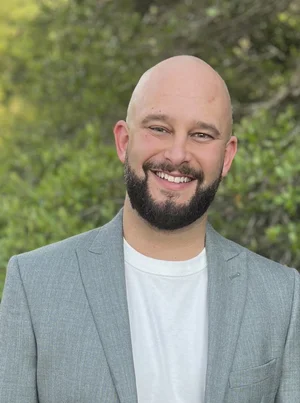
Josh Davis, LMHC, is a NeuroAffective Relational Model (NARM) therapist specializing in complex trauma, attachment wounds, and relationships, licensed in Florida, Vermont, and Delaware. Learn more at Therapywithjoshd.com.